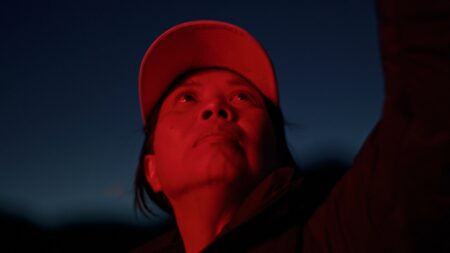
Camille Henrot

Camille Henrot was born in 1978 in Paris and currently lives and works in New York City. She graduated from the École Nationale Supérieure des Arts Décoratifs in Paris in 2002. Henrot’s diverse body of work includes paintings that blend figuration and abstraction, bronze sculptures with forms reflecting quotidian objects and human anatomy, and films that draw on a disparate array of sources and visual cultures. The artist explores the speed, scale, and complexity of life and information in the twenty-first century, building a body of work that addresses how we perceive and make sense of the world around us.
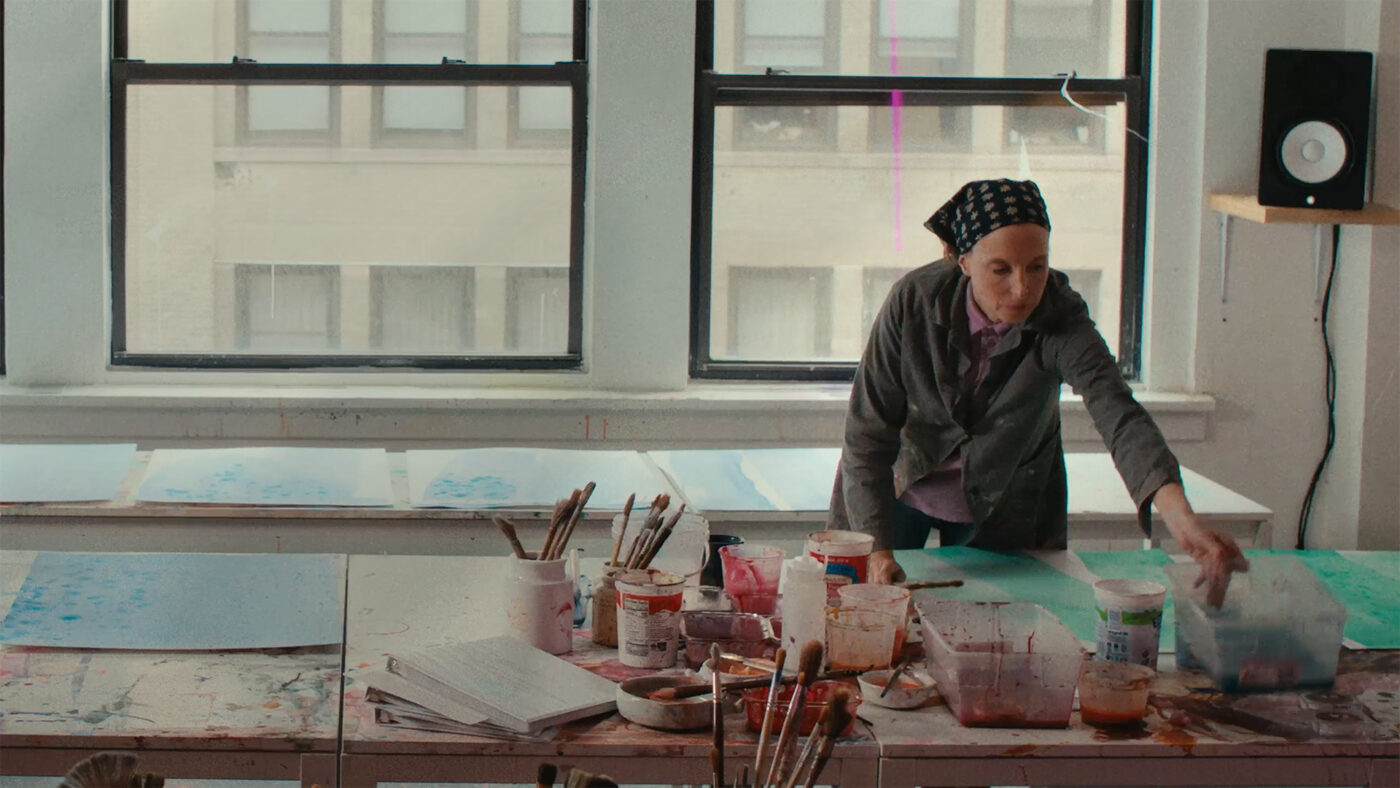
In the studio, Henrot works quickly: fluidly moving between paintings, drawings, and sculptures and imbuing each work with movement, liveliness, and infinite possibility. Working across these media, Henrot explores, deconstructs, and reflects on diverse concepts and experiences: among them motherhood, patriarchal figures, and information overload. “I’m not attracted to a medium per se,” says the artist. “I’m more attracted by an idea, or a way to operate, or a process.” In her practice, Henrot combines personal experiences with rigorous research, meditating on parent-child dynamics, knowledge production, and humanity’s relationship to the natural world in order to explore the systems that organize our relationships, labor, and bodies. In a series of paintings and sculptures, the artist explores the bodily experience of early motherhood. Sculptures like Iron Deficiency (2021) and A Free Quote (2021) combine objects of domestic labor and the human form, while paintings like Wet Job (2020) present a mother attached to a breast pump, each considering the relationship between mother and machine post-partum. In other works, Henrot continues to explore social dynamics through the lens of the family, whether examining patriarchal authority in her series Bad Dad & Beyond (2015-2017) or human dependency in System of Attachment (2018-2021).
The artist’s work in film is similarly multidisciplinary, merging styles and approaches to filmmaking while exploring her subjects through a variety of lenses from the mythological and philosophical to the scientific. Films like Grosse Fatigue (2013) and Saturday (2017) bring together a variety of materials and strategies from disparate contexts, including news television, animation, creation myths, and nature documentaries. Across these works, the artist reflects on the sheer volume of information we encounter daily through screen-based technologies and how we process it. In a later work, In the Veins (2026), the artist considers how screens have introduced a new proximity to global catastrophes and how this shapes our knowledge and perception of the world around us. “The film is about this idea of intimacy, both with things that are naturally intimate, like your pet or your children, but also intimacy with the global crisis, witnessing the loss of our biodiversity, witnessing fires, witnessing floods at the same time as you’re having your breakfast.”
Videos 1
-
Camille Henrot
News & Events
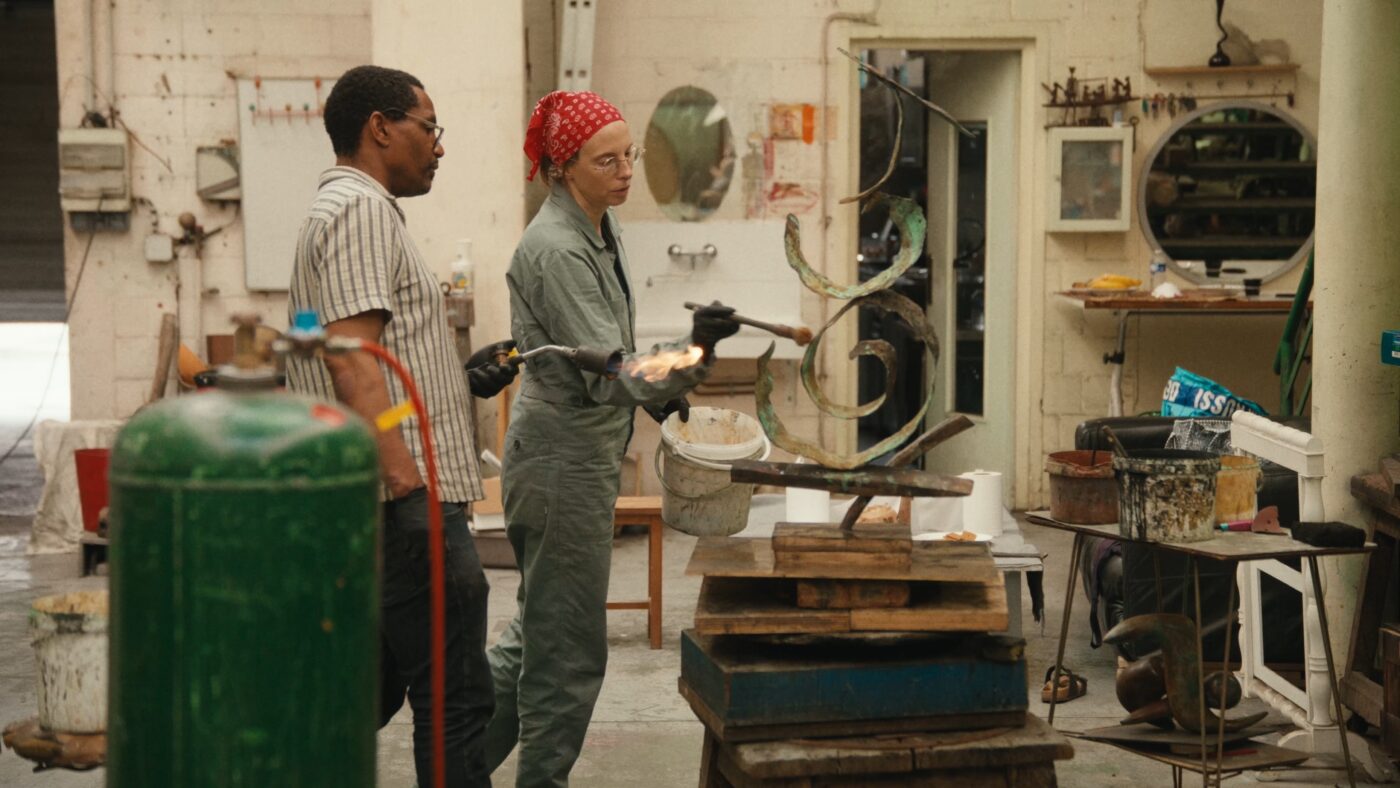
Camille is in perpetual motion, and a lot of the film was trying to learn her rhythms: in the studio, in the editing room, in the foundry. Her interests are wide-ranging, but her ‘hand,’ and her particular way of looking at the world held things together no matter what she was working on.
“I’m not attracted to a medium per se, I’m more attracted by an idea, or a way to operate, or a process.”
Camille Henrot