Ho Tzu Nyen
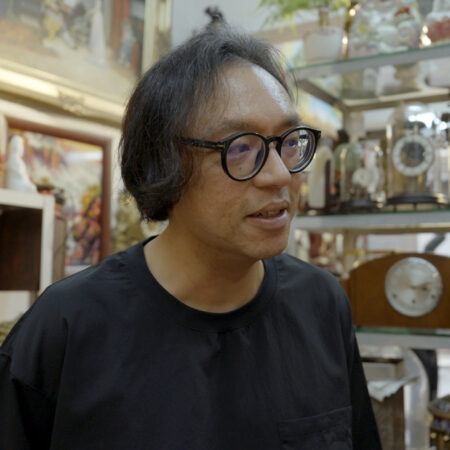
Ho Tzu Nyen was born in 1976 in Singapore, where he lives and works. He received his BA from Victorian College of the Arts, University of Melbourne, in 2001 and his MA from the National University of Singapore in 2007. In 2024, he was a recipient of the CHANEL Next Prize. Throughout his practice, the artist draws from epic mythologies, historical figures, popular culture, and film archives to better understand how history, culture, and identity are constructed and disseminated. Through film, animation, performance, and installation, Ho weaves fact and fiction to investigate the realities, histories, and temporalities that comprise Southeast Asia.
Ho uses technology and algorithms to explore the role of visual culture in the formulation of history, temporality, and identity. Much of his artistic practice stems from the ongoing research project, The Critical Dictionary of Southeast Asia (CDOSEA) (2012-ongoing), a body of work that has inspired numerous works of film, installation, and performance since 2012. “This work tries to answer a formal question of how to think about this region, which is both one and multiple at the same time. All the different forms of culture, histories are stacked one on atop the other like the strata of the earth,” he says. The work began as a collection of 26 terms such as “H for Humidity,” “N for Nation,” or “V for Vampire,” each reflecting different ways of understanding the region from climate to geopolitics to culture. In 2016, Ho began working with programmers to consolidate all of these materials into an algorithmic editing system that composes new combinations and generations of the collected audio-visual material. In other works, such as T is for Time (2023), the artist employs a similar algorithm, inputting a variety of audio-visual material related to time and timekeeping across Southeast Asia into a system that generates new and different combinations with each repetition. Here, the artist likens the attempt to define time to the attempt to define Southeast Asia, simultaneously singular and multiple. Across both works, the artist explores how language and visual culture can be used to reflect the complexity of Southeast Asia, using technology and algorithms as the means to physically represent the boundless and multidimensional definitions of the region.
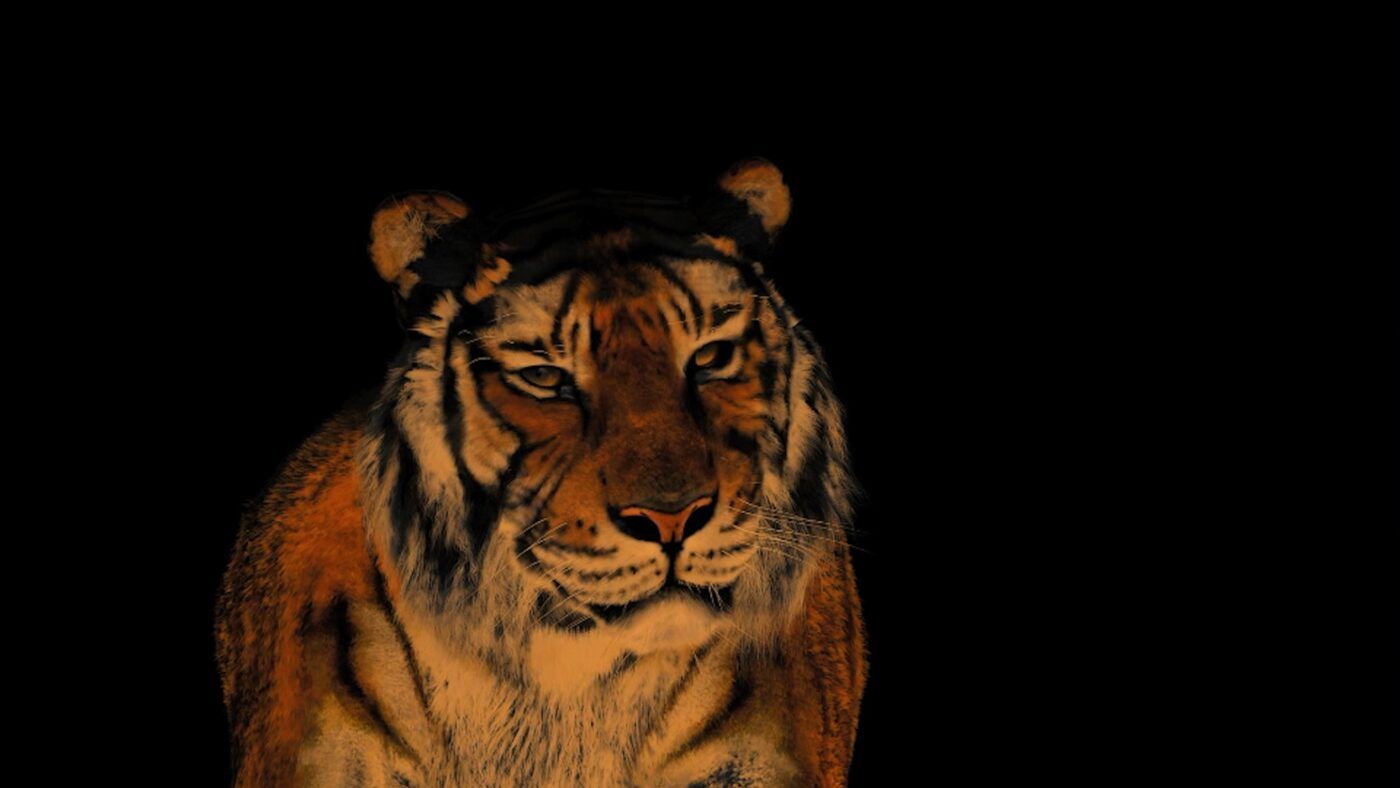
Exploring the role that images and symbols play in understanding history, Ho examines and appropriates from a variety of sources, including representations of tigers from across Southeast Asian history and iconic scenes from Hong Kong cinema. One or Several Tigers (2017) explores the history and mythology of Southeast Asia through the figure of the tiger, a symbol for change, transformation, and a pre-colonial Singapore. The work begins with a two-person duet between a tiger and George Drumgoole Coleman, the Irish architect responsible for planning colonial Singapore, and expands to investigate different “tigers” in history, from the founding myth of Singapore, to the Malay myth of weretigers, to the Japanese general known as the “Tiger of Malaya.” In One or Several Tigers, or later works like Night Charades (2025), Ho looks to visual culture to understand how history is constructed, remembered, and altered. In Night Charades (2025), the artist inputs 50 scenes from Hong Kong cinema into an AI-generated system that reinterprets these images according to different prompts. Across both of these works, the artist draws from existing visual culture in order to represent and reinterpret ideas of Southeast Asia, calling attention to the multidimensional ways history is constructed, understood, and complicated.
Videos 6
-
Ho Tzu Nyen
Ho Tzu Nyen
Ho Tzu Nyen
Ho Tzu Nyen
Ho Tzu Nyen
Trailer

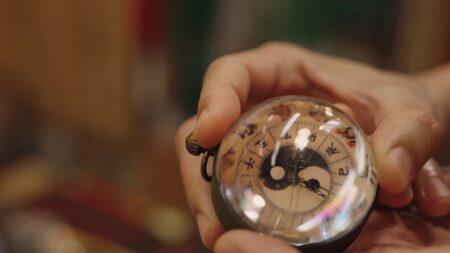

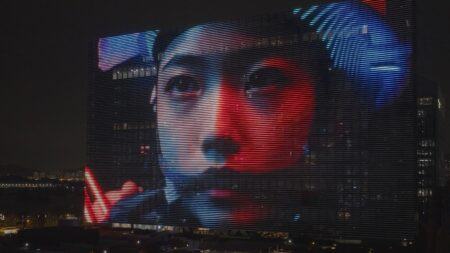
“All of these different forms of culture and histories are stacked one on top of the other like the strata of the earth with different layers. This sense of composites or mixtures is very much part of my DNA.”
Ho Tzu Nyen