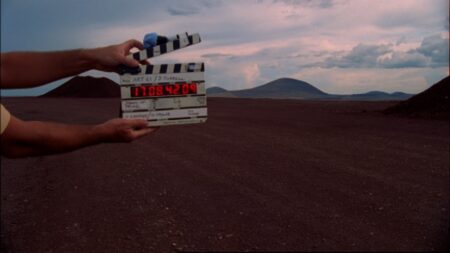
Jordan Strafer

Jordan Strafer was born in 1990 in Miami, Florida, and currently lives and works between New York City and Athens, Greece. She received her BA from The New School and a BFA from Parsons in 2016, later receiving an MFA from Bard College, Milton Avery Graduate School of the Arts in 2019. Strafer’s surreal videos draw on personal experience and historical fact, using the reenactment of real events as a foundation for allegorical stories about American popular culture, politics, and justice. In her videos, the artist stitches together texts from court testimonies, psychoanalytic theory, and interviews, with the aesthetics of daytime talk shows, soap operas, and erotic thrillers. Working with prosthetics, puppets, and actors on ambitious film sets, Strafer works collaboratively with makeup artists, film crews, set and costume designers, and others to create these immersive worlds. Through her aestheticized and referential works, the artist exposes the interconnected systems of power and representation that shape our sense of truth and morality.
The child of two criminal defense attorneys, Strafer’s work often centers the US legal system and how its inherent theatricality shapes and distorts our collective sense of justice. In her 2019 film PEP (Process Entanglement Procedure), the artist dramatizes a public hearing, moving between scenes of a plastic doll witness and flashbacks to the events she describes shown in first-person through a hand-held camera. The intertwined scenes illustrate the gap between a rehearsed testimony meant to conform to courtroom standards and the harrowing experiences described. In LOOPHOLE (2023), the first film in the artist’s “Loophole” trilogy, Strafer reenacts the events of the 1991 rape trial of William Kennedy Smith. “Both my parents were criminal defense attorneys,” says Strafer. “Their work was really not that different from making any kind of art, in a way, because the justice system in the U.S. is so theatrical.” Throughout LOOPHOLE, the artist highlights the performative nature of the trial by showing the defense lawyer rehearsing his remarks, inadequately blurring the victim’s face, and inserting a musical number into the proceedings.
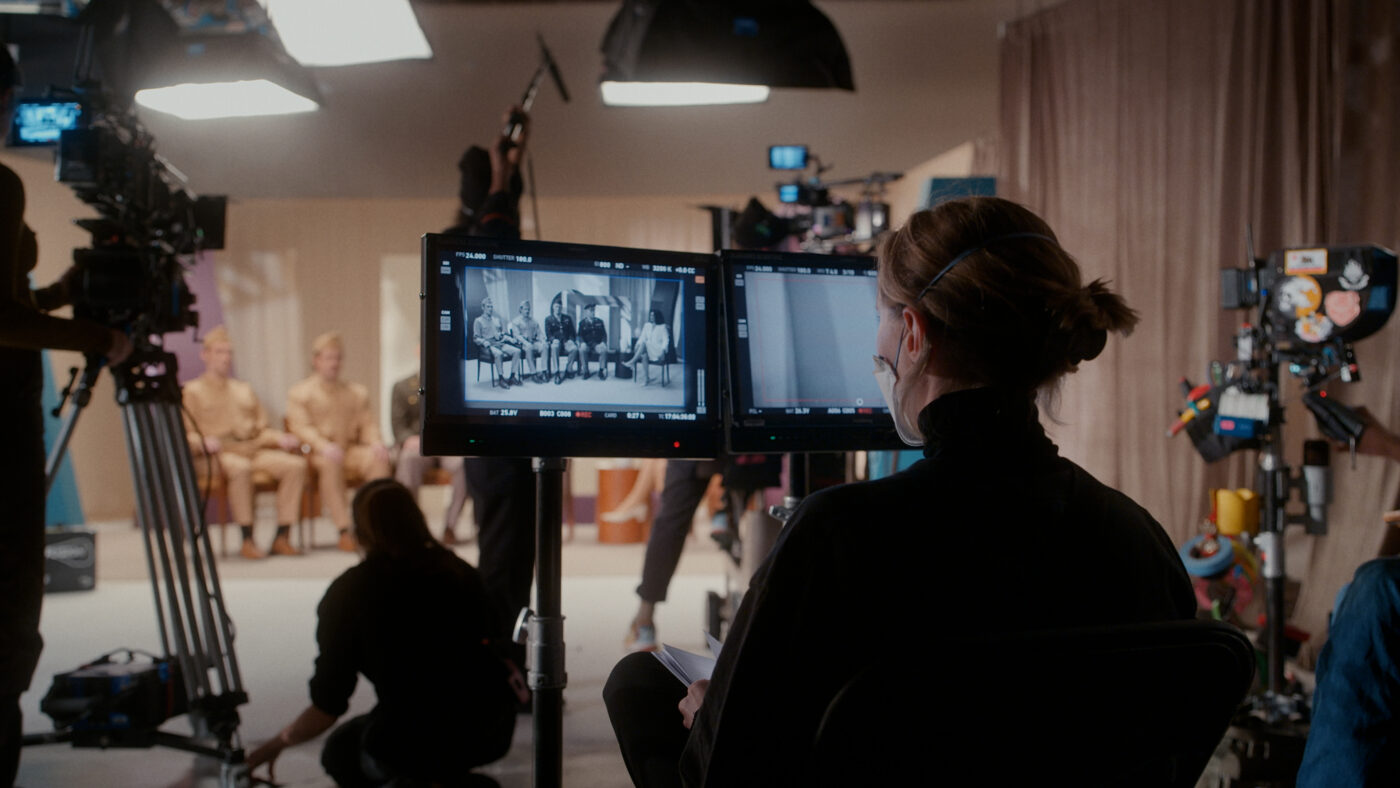
In the final film in the “Loophole” trilogy, TALK SHOW (2026), the artist sets most of the film in a daytime talk show that takes place in two settings: 1999 and the afterlife. In 1999, a psychologist guides the audience through a meditation to heal the trauma of their inner child; while in the afterlife, the host interviews soldiers from World War II and the victims they’ve raped. Juxtaposing these timelines, Strafer highlights the common narratives and tropes used to understand trauma and violence, demonstrating how these easy explanations are often insufficient. “It’s really important to me that my work complicates morality,” says Strafer. “I wanted to think about, not just individual trauma and individual inner child, but also our traumas and collective past as a country.” In earlier works, like PEAK HEAVEN LOVE FOREVER (2022), the artist blends humor and violence, complicating simplistic moral judgment. The video follows four characters aboard an air ambulance on a transatlantic flight, when suddenly each of the passengers is transformed into a life-sized cloth doll except for a young female passenger, who pulls out a pistol and begins to shoot the other passengers. Whether this is fantasy or reality and what caused this violent outburst remain unexplained, leaving the viewer to work out what they’ve just seen.
Videos 1
News & Events
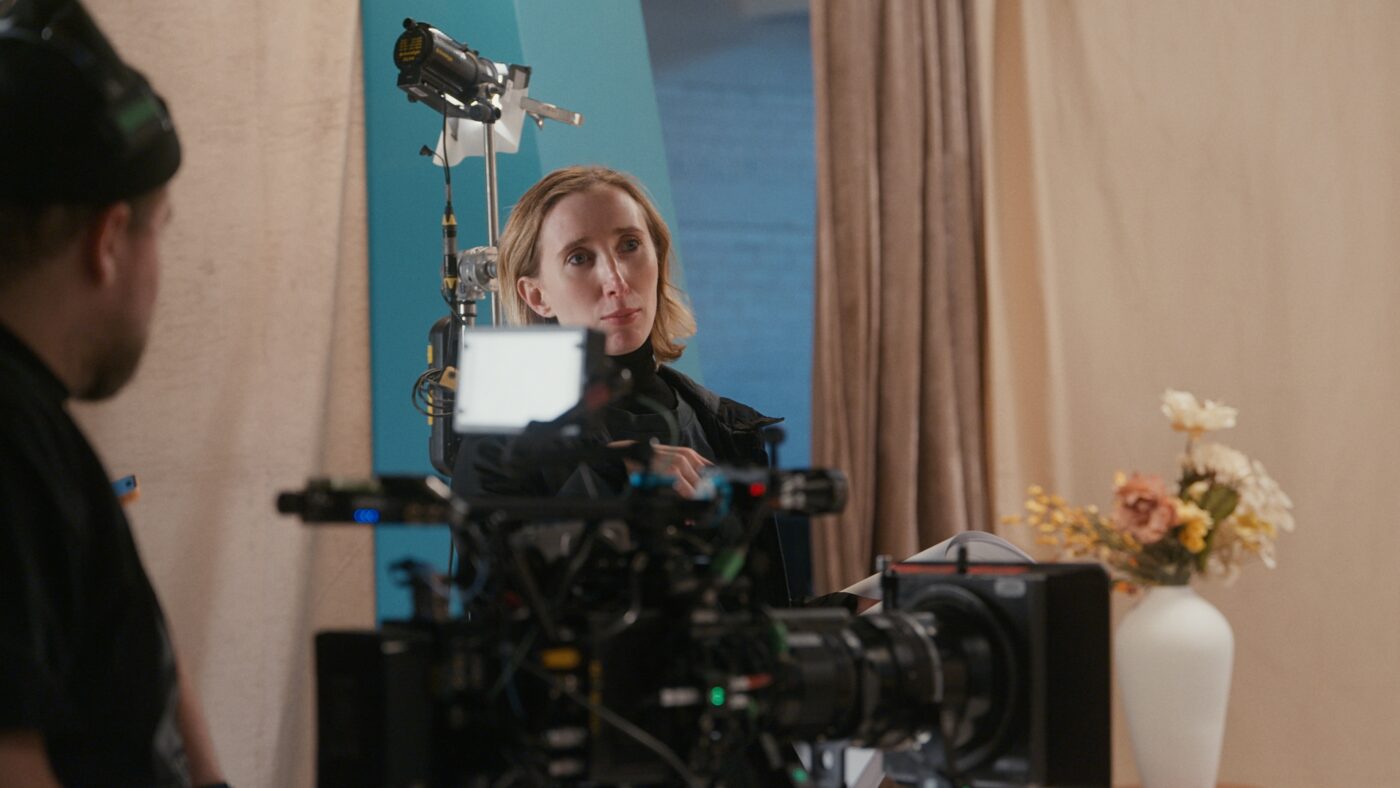
Art21 today announced the release of “Jordan Strafer’s True Stories,” a new documentary film exploring the process and works of video artist Jordan Strafer.
“It’s really important to me that my work complicates morality.”
Jordan Strafer